
COMBUSTIBLE DUST SAFETY SOLUTIONS
COMBUSTIBLE DUST SAFETY SOLUTIONS
Protect your people, property, process, and comply with NFPA 660 and OSHA requirements with our engineered wet and dry dust collection systems.
WHY COMBUSTIBLE DUST DEMANDS IMMEDIATE ATTENTION
/ OSHA NEP: Increased inspections for combustible dust hazards.
/ Fires and explosions cause injuries, downtime, and costly damage.
/ Dust from wood, grain, metals, plastics and chemicals can ignite from a single spark
Combustible dust is one of the most underestimated hazards in industrial environments. Even a thin layer – about the thickness of a credit card – can be fuel for a catastrophic explosion.
OUTCOME
ENSURE REGULATORY COMPLIANCE AND OPERATIONAL SAFETY WITH PROVEN DUST MANAGEMENT SOLUTIONS
DOWNLOAD A BRIEF HISTORY OF COMBUSTIBLE DUST INCIDENTS, OSHA, AND NFPA IN THE UNITED STATESSTAY COMPLIANT
HOW WE SOLVE IT: STAY COMPLIANT
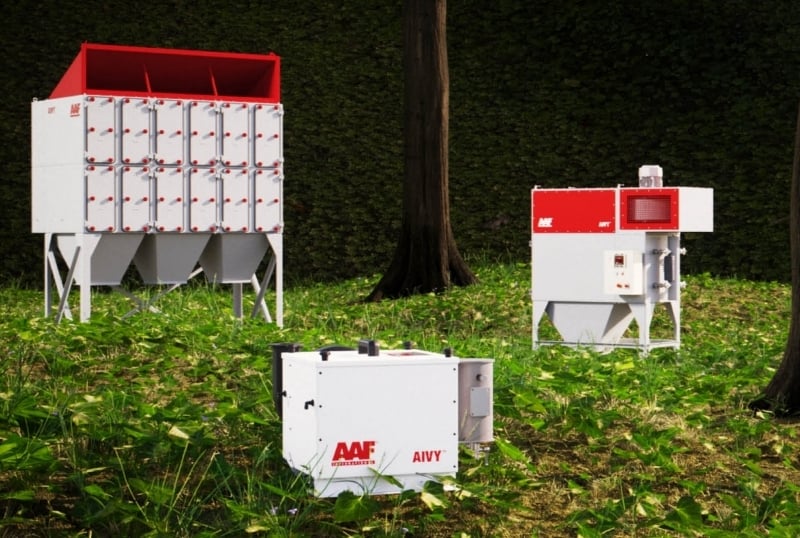
We engineer solutions based on dust type, process conditions, and compliance requirements – offering both wet and dry technologies without bias.
PRODUCT FAMILIES

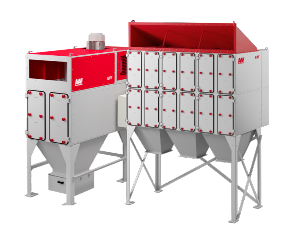
AIVY RC & AIVY Compact
Air filtration made easy: Plug & Play; low-maintenance; up to 20% energy savings.

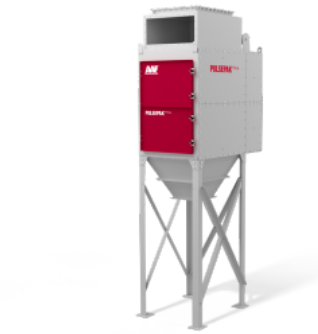
PulsePak®Prime
Compact & Powerful. The only cartridge collector that combines downward airflow and vertical media.

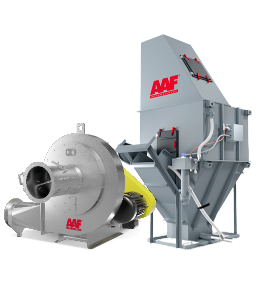
Rotoclone®
Wet collection for highly reactive dusts, constant air exhaust volume, fire barrier.
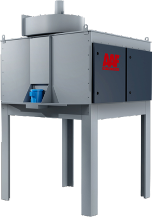
ArrestAll®
Shaker style for intermittent use applications in the woodworking industry.
OUTCOMES THAT MATTER
Protect people
NFPA 660 isn’t just a new standard – it’s a lifesaving safeguard, protecting the people who step into industrial environments everyday and ensuring they go home safely to their families.
Protect Property
NFPA 660 helps protect the places you’ve built – your equipment, your facility, and the investments your business depends on, by preventing the devastating damage combustible dust can cause in an instant.
Protect Process
NFPA 660 preserves the heartbeat of your operation – shielding your processes from disruptions, downtime, and disaster so your business can keep moving forward with confidence and continuity.
ABOUT US
GLOBAL EXPERTISE
AAF International is the world’s largest air-filtration manufacturer, delivering solutions built to protect people, processes and equipment in the toughest industrial environments.
SUPPLY YOU CAN COUNT ON
With a strong U.S. and global manufacturing and distribution footprint, AAF ensures reliable product availability and fast support—exactly what industrial operations need to stay on schedule.
ENGINEERED FOR UPTIME
Our solutions are designed for ease of installation, operation and maintenance, helping reduce total cost of ownership and achieving greater uptime.
FAQS
FREQUENTLY ASKED QUESTIONS
-
Combustible dust is finely divided solid particles—like wood, grain, metals, plastics, and food—that can ignite when dispersed in the air, creating fire or explosion hazards
-
Even a dust layer as thin as a credit card (approximately 0.1 mm) can trigger a devastating explosion if ignited.
-
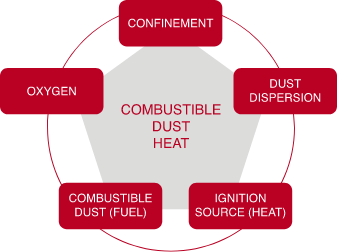
A combustible dust pentagon includes fuel (dust), oxygen, ignition source, dispersion, and confinement. If all are present, an explosion or flashfire can occur.
-
-
Facilities are regulated under several frameworks: OSHA enforces housekeeping, hazard communication, and its National Emphasis Program (NEP).
-
NFPA standards (such as NFPA 660) provide detailed guidance on identifying hazards, performing Dust Hazard Analysis (DHA), and implementing explosion controls.
-
-
A DHA is a formal risk evaluation mandated by NFPA when initiating, modifying, or operating within a facility. It must be updated every five years or after any significant change, ensuring emerging hazards are identified and mitigated.
-
Best practices include:
-
Capturing dust using engineered wet or dry systems.
-
Thorough and frequent cleaning to reduce accumulations.
-
Controlling ignition sources like sparks, heat, and static.
-
Equipping systems with explosion protection technologies.
-
-
-
Wet systems use water to trap and neutralize reactive or combustible dust, enhancing safety by eliminating dust pentagon elements and allowing recirculation of clean air.
-
Dry systems use high-efficiency filters combined with explosion protection devices—like isolation valves, suppression systems, vents, and flame arrestors—to meet NFPA/OSHA safety requirements.
-
-
-
Food & agriculture (sugar, flour, grains),
-
Wood & paper processing,
-
Light metals (e.g., aluminum, magnesium)
-
Plastics & chemicals
-
Textiles
-
Recycling & waste handling
-
-
OSHA currently enforces general provisions like housekeeping (29 CFR 1910.22), hazard communication (29 CFR 1910.1200), and industry-specific rules (e.g., grain handling, conveyor systems). It also maintains the Combustible Dust NEP, which increases inspections at high-risk facilities.
-
AAF offers end-to-end solutions—both wet and dry collection systems—engineered to NFPA and OSHA standards. With expertise in dust collection, explosion protection, and DHA requirements, AAF supports safer, compliant operations tailored to your material, process, and facility needs.
TELL US ABOUT YOUR CHALLENGE
LET’S START DEFINING THE SOLUTION
%20-%20AAF%20-%20letters.png)